

Benefits of a CIO Network: Improve Decisions and Execution
A CIO network is more than a professional circle—it’s a capability multiplier. Learn how peer insight improves decisions, accelerates execution, and strengthens leadership over time.

A CIO network is more than a professional circle—it’s a capability multiplier. Learn how peer insight improves decisions, accelerates execution, and strengthens leadership over time.

This guide provides a structured approach to choosing a CIO network that aligns with your leadership needs, context, and engagement style. It introduces a practical decision model—Purpose, Fit, Engagement, and Value—to help CIOs evaluate options beyond reputation or visibility. By applying this framework, leaders can select a network that consistently improves decision-making, sharpens perspective, and delivers long-term professional value.

This article explains IT sourcing as a strategic discipline for designing how IT capabilities are acquired, delivered, and governed. It covers the definition, purpose, role, components, types, benefits, challenges, and decision logic behind effective IT sourcing—helping CIOs think beyond vendor selection to capability, control, and value delivery.

This guide shows how to create an IT strategy framework that moves beyond planning into disciplined execution. It explains how to translate business direction into priorities, capabilities, and investment decisions, while ensuring governance and measurement reinforce alignment. Use this framework to build a consistent, decision-ready approach that helps IT deliver measurable value over time.
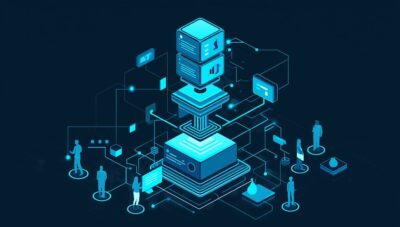
This AI stack guide explains how artificial intelligence works as a system—not just a model—by breaking down its core layers, architecture, and governance requirements. It shows how data, models, orchestration, and control mechanisms come together to create reliable enterprise capabilities. CIOs will learn how to design, evaluate, and scale AI systems that deliver consistent value while managing risk, cost, and performance.
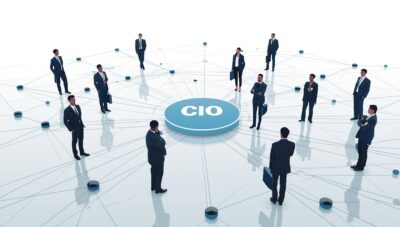
This article examines what defines the best CIO networks and how they differ in delivering real decision value. It explores how different network types support validation, strategy, and execution while offering a practical framework to evaluate and use them effectively. CIOs will learn how to select and engage with networks that improve judgment, reduce risk, and accelerate leadership effectiveness.

AI is not intelligence—it generates plausible outputs, not verified answers. As these outputs enter enterprise workflows, they introduce a new form of AI risk in decision making. Decisions may appear well-supported while being built on unvalidated information.
This article explains how AI creates risk in enterprise environments, why traditional governance does not manage it effectively, and how organizations can govern AI risk, validate AI outputs for decisions, and ensure AI reliability at scale. It introduces a practical governance model that helps CIOs protect decision integrity while using AI safely across the organization.

A CIO network is a structured or informal group of IT leaders who connect to exchange real-world insights, experiences, and practices to improve decision-making and leadership effectiveness. This CIO network guide explores how IT leaders use peer-driven insight to strengthen decision-making, reduce uncertainty, and improve execution outcomes. It explains what a CIO network is, how it works, the different types available, and how to use them effectively. By introducing a practical three-layer model—access, exchange, and application—this article provides a clear framework for evaluating and leveraging networks as a strategic leadership capability.

Most IT organizations are busy—but struggle to prove their value. The difference lies in how the IT operating model aligns with business strategy. This article explains how alignment turns intent into execution, execution into outcomes, and outcomes into measurable business value.
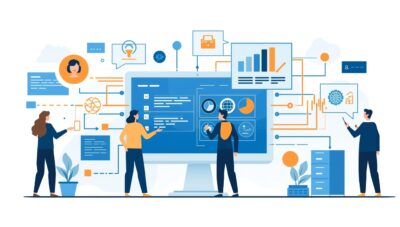
This guide explains the IT operating model as a system that determines how technology work is structured, governed, and delivered. It explores core components, design choices, trade-offs, and real-world patterns to help leaders create a model that delivers consistent value. Use this resource to understand, evaluate, and design an operating model aligned with business needs and execution realities.