
CIO Knowledge Base – Page 3

All Resources in: CIO Knowledge Base

What Is a CIO Network?

What Is a CIO Network? A Strategic Guide to Peer Intelligence and Decision Advantage

A CIO network is a structured or informal group of IT leaders who connect to exchange real-world insights, experiences, and practices to improve decision-making and leadership effectiveness. This CIO network guide explores how IT leaders use peer-driven insight to strengthen decision-making, reduce uncertainty, and improve execution outcomes. It explains what a CIO network is, how it works, the different types available, and how to use them effectively. By introducing a practical three-layer model—access, exchange, and application—this article provides a clear framework for evaluating and leveraging networks as a strategic leadership capability.

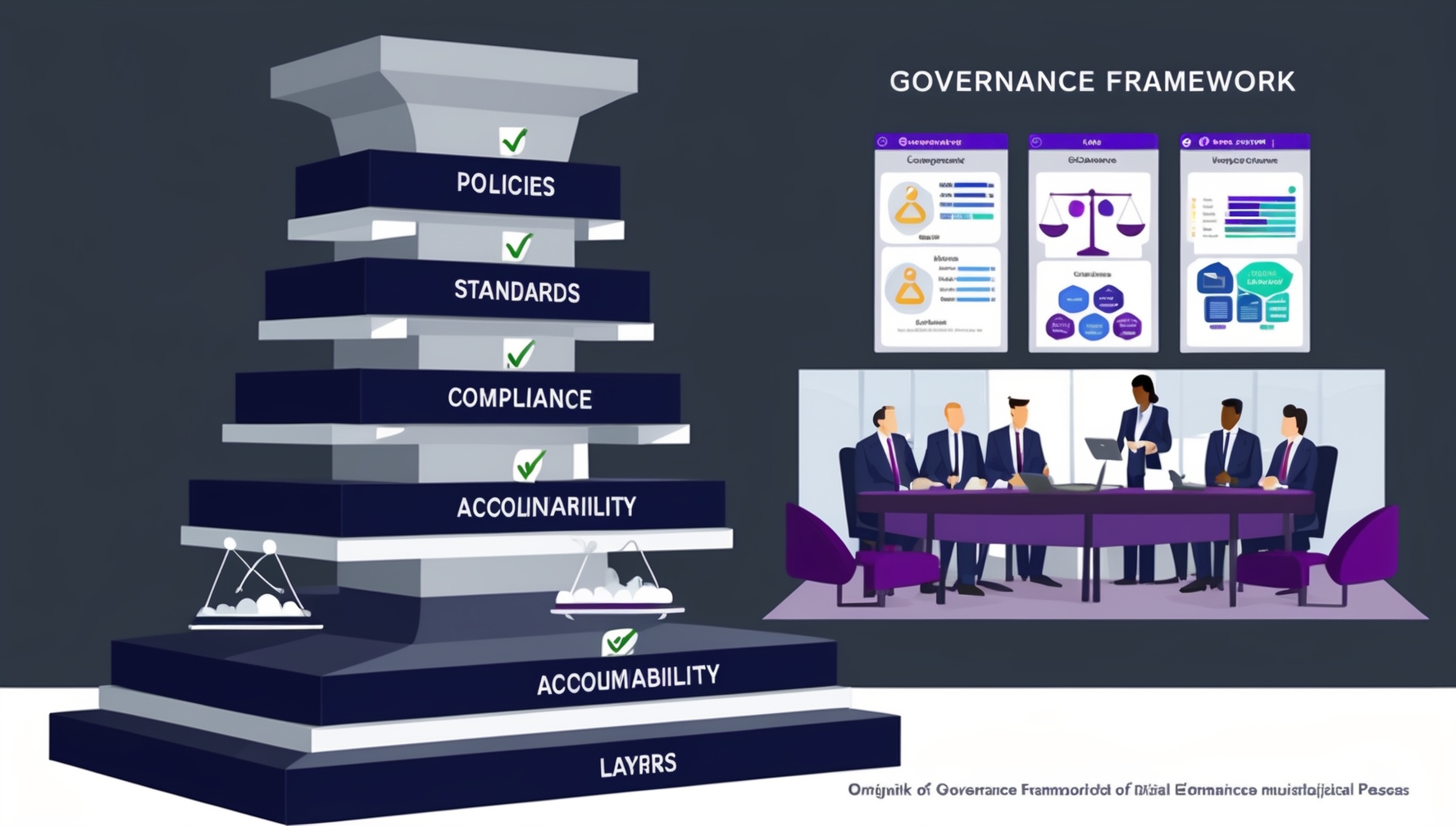
Digital Transformation Governance Framework Example

Digital Transformation Governance Framework Example: How to Structure and Prioritize Decisions

This digital transformation governance framework example shows how disciplined decision-making drives effective transformation. It illustrates how to define direction, validate choices with evidence, and prioritize initiatives using a structured approach. By combining strategy framing, data-driven validation, and criteria-based prioritization, this example helps CIOs and IT leaders build a transparent, defensible decision system to guide transformation outcomes.

IT Governance Organization - featured image

IT Governance Organization: Structuring for Strategic Success

This IT governance organization guide explains how to design the structural foundation that makes governance effective in practice. It walks through authority layers, governance bodies, decision rights frameworks, structural model selection, escalation engineering, and continuous improvement mechanisms. Designed for CIOs and senior IT leaders, this resource helps translate governance principles into a clear operating model that strengthens accountability, improves decision velocity, and aligns technology leadership with enterprise priorities.

CIO as Chief Risk Officer - featured image

CIO as CEO: The Enterprise Risk Leader

This guide reframes the CIO’s responsibility for technology exposure as an enterprise leadership mandate. It shows how to design clear ownership, governance, and oversight across risk – cyber, data, vendors, architecture, and platforms—so accountability is deliberate, visible, and defensible when scrutiny increases. Excellent Read! (50+ pgs)

Organizing Enterprise Architecture for Strategic Impact - featured image

Enterprise Architecture Organization: Organizing for Strategic Impact

This guide examines how to structure the Enterprise Architecture function for lasting enterprise influence. It explores authority models, governance design, embedded roles, and performance measurement — providing a disciplined blueprint for positioning EA where strategic decisions are shaped and business value is protected.

Enterprise Architecture Operating Model Guide Operationalize and Scale EA Practice Effectively

Enterprise Architecture Operating Model Guide: Operationalize and Scale EA Practice Effectively

This enterprise architecture operating model playbook presents a structured collection of practical methods that help CIOs and IT leaders apply architecture as a working discipline. It covers business alignment, capability modeling, governance, decision support, and roadmap planning through a set of reusable plays. Excellent Read! (200 pgs)

By translating architecture into actionable practices, this resource enables leaders to guide transformation, improve decision clarity, and create deliverables that connect strategy with execution.

Organizing for the AI Era - featured image

Organizing for the AI Era: Enterprise AI Organizational Design Framework

This strategic framework examines how enterprises must evolve authority models, governance integration, operating workflows, and performance measurement to compete in an AI-driven environment. It evaluates centralized, federated, and hybrid models, defines clear ownership architecture, and introduces structured tools such as the AI Operating Model Canvas and AI performance dashboard. CIOs can use this resource to transform AI from isolated experimentation into scalable organizational capability.

[Full Lifecycle] Cloud & Platform Engineering Operating Model Playbook

[Full Lifecycle] Cloud & Platform Engineering Operating Model Playbook: Design, Govern, Deliver, and Operate

This cloud and platform engineering playbook defines how to extend an enterprise technology operating model to support cloud and platform capabilities. It outlines governance structures, lifecycle models, and delivery patterns that enable safe self-service, consistent standards, and scalable operations. CIOs and IT leaders can use this resource to implement guardrails, establish platform engineering practices, and create a disciplined, cost-aware cloud environment.

AI Operating Model Overlay Playbook

AI Operating Model Overlay Playbook

This AI operating model playbook helps you move beyond pilots by adding AI-specific decision points, risk tiering, standard artifacts, and run practices into your current IT operating system. It’s built as an overlay across strategy, portfolio, architecture, delivery, operations, risk, data, vendor management, and value tracking—so delivery stays fast and outcomes stay defensible.

Loading...