Cloud Computing Hub
Cloud computing is a model for enabling ubiquitous, convenient, on-demand network access to a shared pool of configurable computing resources (e.g., networks, servers, storage, applications, and services) that can be rapidly provisioned and released with minimal management effort or service provider interaction.
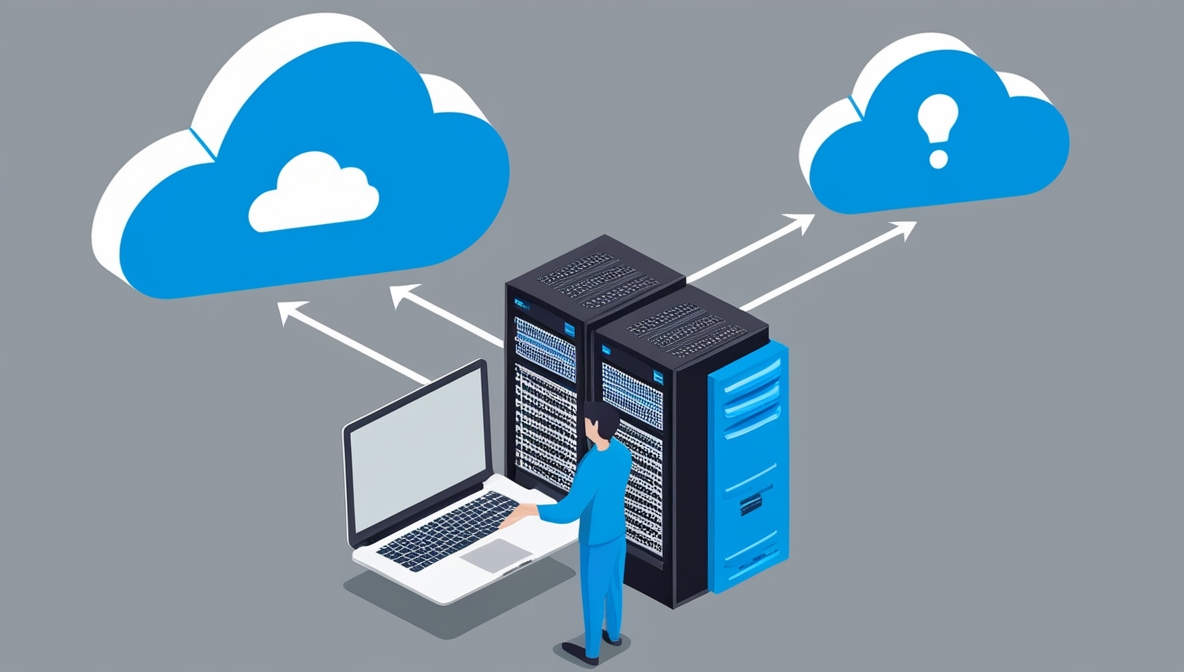
Cloud computing is a technology model that allows organizations and individuals to access computing resources, such as servers, storage, databases, software applications, and network infrastructure, over the internet. These resources are provided on-demand by cloud service providers, eliminating the need for organizations to invest in and maintain their physical hardware and infrastructure. Cloud computing offers several benefits, including scalability, cost efficiency, flexibility, and increased collaboration.
There are three primary service models of cloud computing:
- Infrastructure as a Service (IaaS): In this model, cloud service providers offer virtualized computing resources over the internet, such as virtual machines, storage, and networking infrastructure. Users can create, manage, and scale their resources as needed without worrying about the underlying physical hardware. Examples of IaaS providers include Amazon Web Services (AWS), Microsoft Azure, and Google Cloud Platform.
- Platform as a Service (PaaS): PaaS provides a cloud-based environment where developers can build, deploy, and manage applications without worrying about the underlying infrastructure. PaaS allows developers to focus on writing code and creating applications rather than managing infrastructure. This service model includes tools and services for application development, database management, and middleware. Examples of PaaS providers include Heroku, Google App Engine, and Microsoft Azure App Service.
- Software as a Service (SaaS): SaaS delivers software applications online, accessed via a web browser. Users do not need to install or maintain the software, as the cloud service provider handles updates, security, and infrastructure. SaaS is typically provided on a subscription basis and can be accessed from any device with internet access. Examples of SaaS providers include Salesforce, Microsoft Office 365, and Google Workspace.
In addition to these service models, cloud computing can be deployed in different ways:
- Public Cloud: In a public cloud, computing resources are provided by a third-party cloud service provider and shared among multiple users or organizations. Public cloud services are accessible via the internet and offer a scalable, pay-as-you-go model.
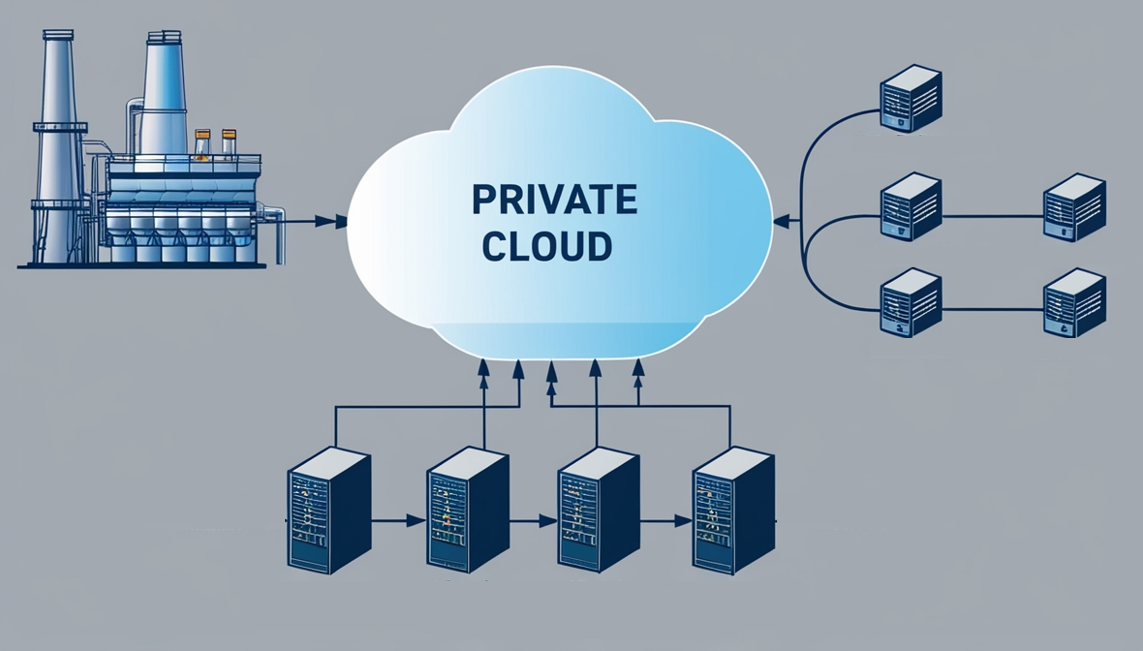
- Private Cloud: A private cloud is dedicated to a single organization and provides computing resources on-premises or hosted by a third-party provider. Private clouds offer greater control, security, and customization but can be more expensive and resource-intensive to maintain.
- Hybrid Cloud: A hybrid cloud combines elements of both public and private clouds, allowing organizations to leverage the benefits of each. Organizations can use the public cloud for cost-efficient, scalable resources while keeping sensitive data and critical applications in a private cloud for enhanced security and control.
Cloud computing has become a critical component of modern IT infrastructure, offering organizations flexibility, cost savings, and the ability to scale resources on demand to meet their evolving needs.
The Cloud Computing category within our CIO Reference Library is a curated collection of resources, articles, and insights designed to help CIOs and IT executives understand, develop, and implement effective cloud computing strategies and solutions within their organizations. This category focuses on providing IT leaders with the knowledge and guidance necessary to harness the power of cloud-based technologies, enabling increased agility, scalability, and cost-efficiency while supporting the growing demands of modern businesses.
In this category, you will find valuable information on a wide range of topics related to cloud computing, including:
- Understanding the fundamentals, principles, and benefits of cloud computing, including various cloud service models (IaaS, PaaS, SaaS) and deployment models (public, private, hybrid, and multi-cloud).
- Developing and implementing cloud computing strategies that align with your organization’s objectives, resources, and technology landscape, ensuring a cohesive and coordinated approach to cloud adoption and migration.
- Assessing and selecting the right cloud service providers, platforms, and solutions to meet your organization’s unique requirements while considering security, performance, and compliance factors.
- Managing the complexities of cloud migration, including planning, execution, and optimization, to minimize disruption and maximize the benefits of cloud-based infrastructure and services.
- Ensuring robust cloud security and compliance measures, including data protection, access controls, and regulatory adherence, to safeguard your organization’s data and applications in the cloud.
- Optimizing cloud cost management and resource allocation to minimize expenses and maximize the return on investment (ROI) of your cloud initiatives.
- Leveraging emerging cloud technologies and trends, such as containerization, serverless computing, and edge computing, continuously enhance your organization’s cloud capabilities and drive innovation.
By exploring the Cloud Computing category, IT leaders can better understand the principles, techniques, and strategies underpinning effective cloud adoption and management. This knowledge will enable you to develop and implement a comprehensive and effective cloud computing strategy that supports your organization’s growth, agility, and innovation in an increasingly cloud-centric world.