Chapter

IT Governance Features – Page 2

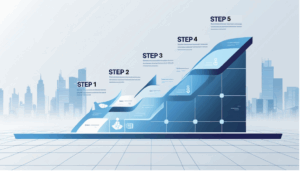
ICT Governance Roadmap Example: Build a Structured Multi-Year Governance - featured image

IT Governance Roadmap Example: A Practical Framework for Designing and Sequencing a Multi-Year Governance Improvement Program

This IT governance roadmap example demonstrates how maturity assessment results can be translated into a structured, multi-year improvement program. It illustrates the practical steps involved in prioritizing gaps, defining initiatives, assigning ownership, and sequencing work across IT strategy, risk, security, continuity, operations, and service management. CIOs and IT leaders can use this as a reference model to design or refresh their own governance improvement plans with clarity and defensibility.

IT Governance Charter Toolkit

IT Governance Charter Toolkit: Design and Implement a Full-Lifecycle, Integrated Governance Architecture

The IT Governance Charter Toolkit is more than a template — it’s a complete architectural system for governance design. It guides CIOs through structuring committees, defining roles and decision rights, and aligning cadence with strategy and budget cycles. The toolkit also extends governance into innovation, data, and security domains and concludes with a ten-question self-assessment to validate readiness. Built for leaders who treat governance as design, not bureaucracy, it delivers structure that earns trust and sustains progress.

IT Governance Framework: 12 Critical Areas That Drive Strategic and Secure IT - featured Image

IT Governance Framework: 12 Critical Areas That Drive Strategic and Secure IT

This IT Governance Framework explores 12 critical areas every senior IT leader must address to align technology with business strategy and safeguard systems. From policy development and risk management to contingency planning, this resource delivers a practical, measurable approach to driving both strategic outcomes and secure IT operations.

Application Rationalization Process Model - featured image

Application Rationalization Process Model

This application rationalization process model offers IT leaders a step-by-step framework to evaluate their application portfolio based on business value, technical fit, and total cost of ownership. It helps organizations streamline legacy systems, reduce technical debt, and support cloud and modernization strategies with clear governance, stakeholder engagement, and data-driven decisions. Whether you’re rationalizing after M&A or aligning IT with strategic goals, this model equips you with the tools and insights needed.

CIO Portal