IT Governance Knowledge – Page 7

All Resources in: IT Governance Knowledge

Framework for Strategic Project Portfolio Management Using EA - featured image

Framework for Strategic Project Portfolio Management Using EA

This framework offers a structured approach to project portfolio management by integrating Enterprise Architecture (EA). It enhances decision-making processes by providing a comprehensive method that includes financial, non-financial, and risk assessments. The framework also demonstrates practical application through a detailed case study, ensuring it is both theoretical and practical for organizations aiming to align their project portfolios with strategic goals.

Handbook on IT Cost Optimization - featured image

Handbook on IT Cost Optimization

This IT Cost Optimization handbook addresses the pressing need for cost transparency and optimization in IT. With economic pressures such as high inflation, rising interest rates, and global supply chain disruptions, managing IT costs effectively has become critical. It offers practical strategies and methodologies to achieve sustainable cost optimization, thereby enabling organizations to make insightful, data-driven decisions that align with their organization’s strategic goals.

From Traditional to Digital: Guide to Transforming Internal Controls-featured image

From Traditional to Digital: Guide to Transforming Internal Controls

This comprehensive guide on transforming internal controls explores their evolution from traditional to digital, offering detailed insights into deploying technologies such as AI, blockchain, and cloud computing. It provides practical solutions that highlight the benefits of digital transformation in enhancing accuracy, efficiency, and compliance in organizational controls.

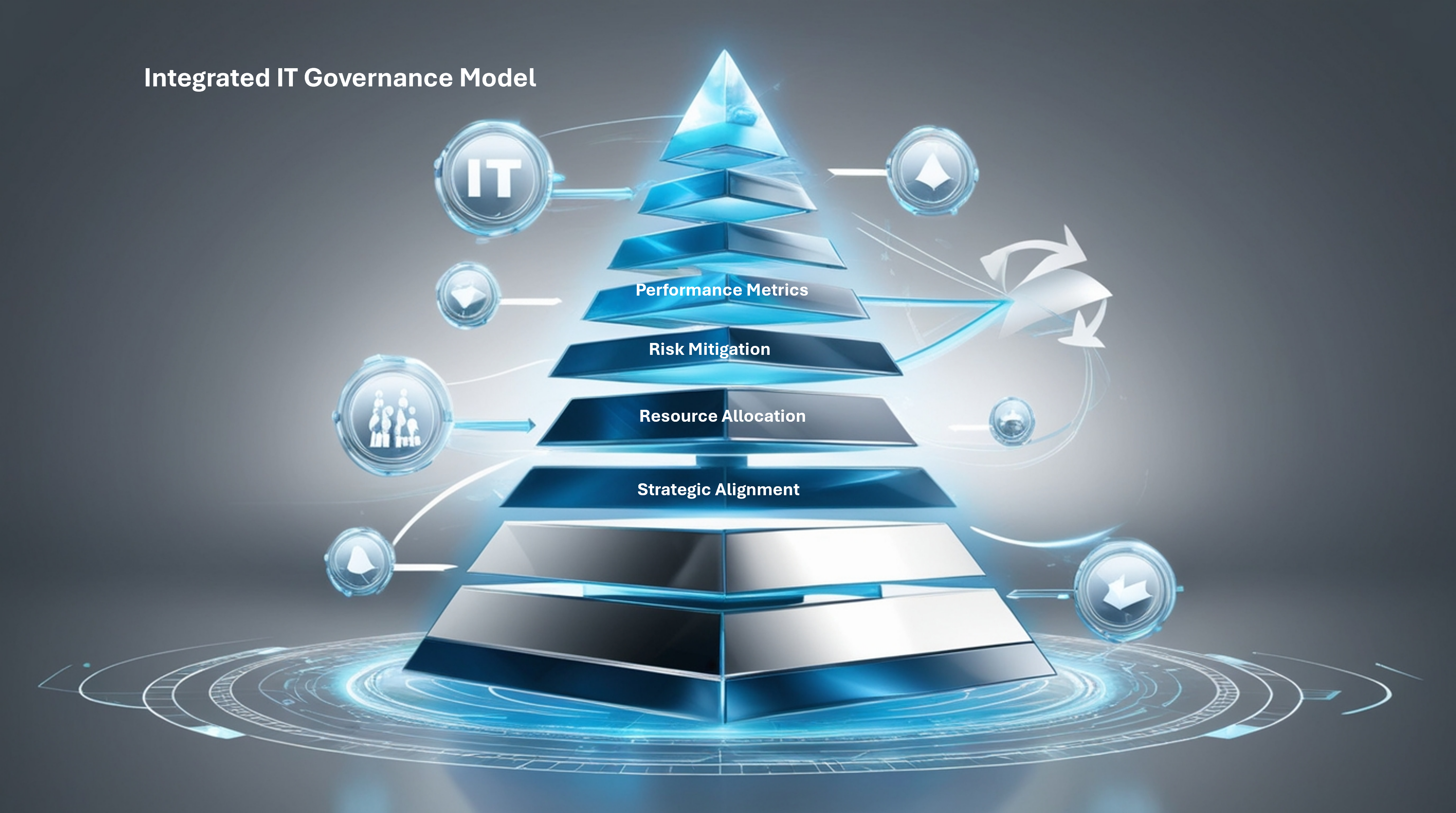
ntegrated-IT-Governance-Model-Seamless-Collaboration-With-Strategic-Partners - featured image

Integrated IT Governance Model: Seamless Collaboration with Strategic Partners

This IT Governance guide offers a detailed governance model for seamless collaboration between extended organizations and their strategic partners. It covers critical success factors (CSFs) and key performance indicators (KPIs) that ensure strategic alignment, resource management, value delivery, risk management, and performance measurement. It emphasizes that inter-organizational collaboration, facilitated by IT systems, is crucial for organizations to reduce costs, improve quality, and gain a competitive advantage. The proposed model is validated through a case study, demonstrating its applicability and potential for improving IT governance practices in collaborative alliances.

Framework for IT Performance Metrics featured image

Framework for IT Performance Metrics

This IT performance metrics framework outlines a systematic approach to creating and managing a balanced portfolio of IT performance metrics. It includes detailed methodologies and best practices for project management, operations management, and innovation, based on research and insights from IT leaders.

A Comprehensive Framework for Evaluating ROI On IT Investments Featured Image

Evaluating ROI on IT Investments: A Comprehensive Framework

This comprehensive framework for evaluating ROI on IT investments offers a detailed methodology to assess both tangible and intangible benefits. It provides a structured approach for organizations across various industries to justify and optimize their IT expenditures, focusing on productivity, coordination, and organizational changes to build solid business cases and gain management and investor confidence.

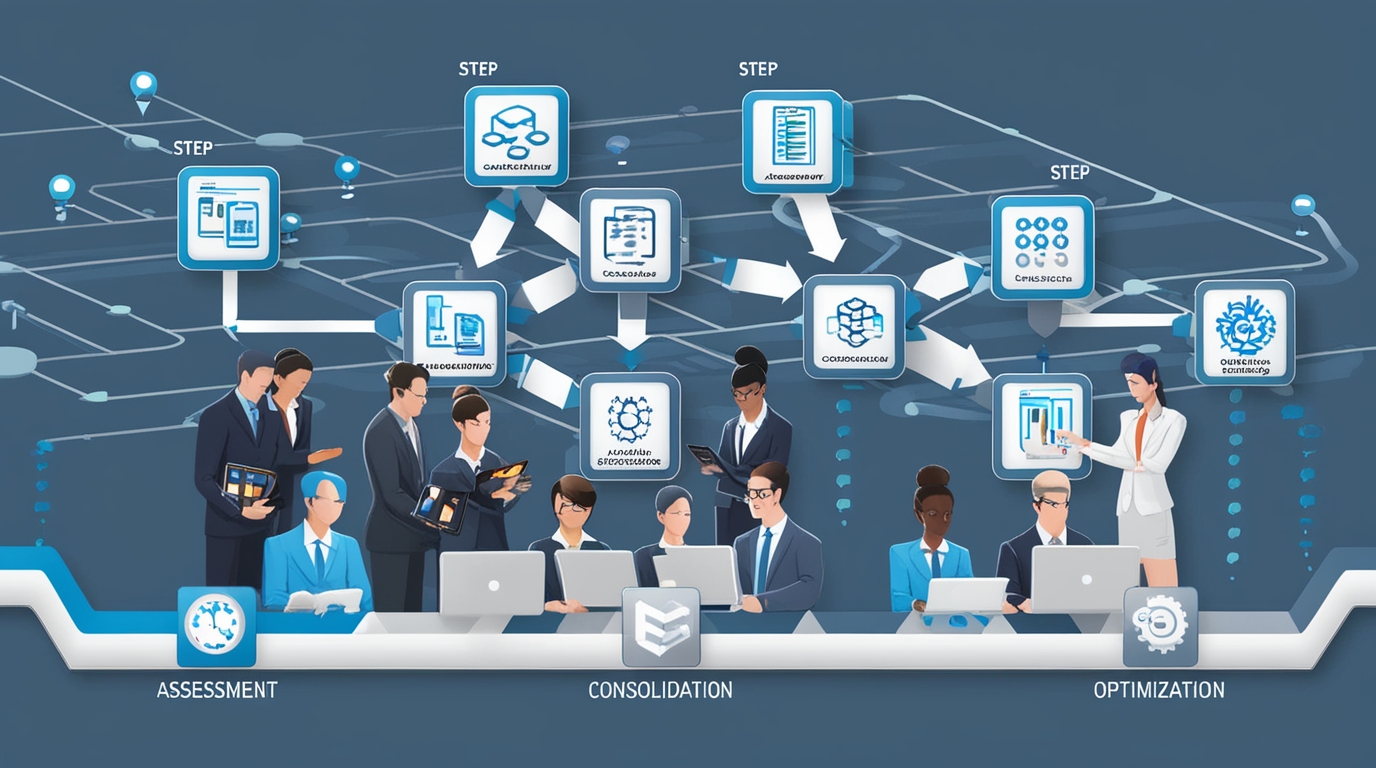
A Structured Step-By-Step Guide for Streamlining Application Portfolios Featured Image

Streamlining Application Portfolios: A Structured Step-by-Step Guide

This structured step-by-step guide to streamlining application portfolios equips organizations with a clear and effective process for assessing and optimizing their IT applications. By methodically evaluating business value, technical fit, and total cost of ownership, organizations can make strategic decisions to enhance efficiency, reduce redundancies, and drive IT modernization efforts forward.

Loading...