IT Operations Knowledge

IT operations is a critical part of any business. By definition, it refers to the set of processes and services that are administered by an IT department within a larger organization or business. This encompasses everything from maintaining computer systems and networks to providing support for users. In short, IT operations is responsible for keeping an organization's technology running smoothly so that employees can do their jobs effectively.

IT operations knowledge refers to the understanding of the organization’s IT infrastructure and the day-to-day activities required to ensure that it runs smoothly. Effective IT operations knowledge can help organizations optimize their IT infrastructure, improve IT agility, and achieve desired business outcomes.

IT operations knowledge may include:

  1. Understanding IT infrastructure: Organizations should understand their IT infrastructure, including hardware, software, and network infrastructure, to identify potential areas for optimization.
  2. Monitoring IT performance: Organizations should monitor IT performance, including server performance, network performance, and application performance, to identify potential areas for improvement.
  3. Managing IT incidents: Organizations should have processes in place to manage IT incidents, such as server failures, network outages, and security breaches.
  4. Ensuring compliance: Organizations should ensure compliance with relevant regulations and industry standards, such as GDPR, HIPAA, and PCI-DSS.
  5. Managing IT vendors: Organizations should manage IT vendors, including vendor selection, contract negotiation, and vendor performance management.

Effective IT operations knowledge requires a deep understanding of the organization’s IT infrastructure, as well as the IT operations processes and best practices. IT executives should ensure that their IT operations knowledge is well-documented and communicated to relevant stakeholders across the organization.

The IT Operations Knowledge category within the CIO Reference Library provides CIOs and other IT executives with a comprehensive set of resources that illustrate effective IT operations knowledge practices. This category includes a range of resources, such as articles, whitepapers, and case studies, that offer insights into different aspects of IT operations knowledge, such as understanding IT infrastructure, monitoring IT performance, managing IT incidents, ensuring compliance, and managing IT vendors. By leveraging these resources, CIOs and IT executives can gain a deeper understanding of effective IT operations knowledge practices and optimize their IT infrastructure to achieve desired business outcomes. 1

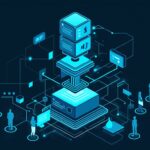
Types Of Ai Explained: Narrow, General, And Superintelligence

Types of AI: A Clear Guide to Narrow, General, and Future Intelligence

This article explains the types of AI—Narrow AI, Artificial General Intelligence, and Superintelligence—in simple, practical terms. It separates what …
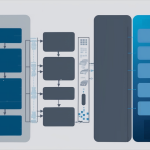
Visual Representation Of An Artificial Intelligence (Ai) Stack

AI Stack: How to Design and Govern Enterprise AI Systems

This AI stack guide explains how artificial intelligence works as a system—not just a model—by breaking down its core layers, architecture, and govern…
Ai Risks In The Enterprise - Why Ai Is Not Intelligence — And How To Govern Decision Integrity - Featured Image

AI Risks in the Enterprise: Why AI Is Not Intelligence — and How to Govern Decision Integrity

AI is not intelligence—it generates plausible outputs, not verified answers. As these outputs enter enterprise workflows, they introduce a new form of…
What Artificial Intelligence Really Is: Concepts, Capabilities, And Misconceptions - Featured Image

What Artificial Intelligence Really Is: Concepts, Capabilities, and Misconceptions

This artificial intelligence guide provides a clear and structured explanation of what AI really is, separating perception from reality. It explores c…
Digital Transformation And Ai: Convergence, Collision, And The New Strategic Divide - Featured Image

Digital Transformation and AI: Convergence or Collision?

Digital transformation laid the foundations for modern enterprises, but AI is reshaping what those foundations must support. Intelligence thrives when…
How Cybersecurity Sustains Digital Transformation: Building Trust, Resilience, And Continuity - Featured Image

How Cybersecurity Sustains Digital Transformation: Building Trust, Resilience, and Continuity

Cybersecurity has become the architecture of modern digital transformation. It is not a constraint but the foundation that sustains innovation, resili…
Comprehensive Guide To Implementing A Data Modernization And Integration Strategy - Featured Image

Comprehensive Guide to Implementing a Data Modernization and Integration Strategy

This comprehensive guide to implementing a data modernization and integration strategy details the essential steps institutions need to follow to upgr…
Step-By-Step Guide To Implement Artificial Intelligence - Featured Image

Step-by-Step Guide to Implement Artificial Intelligence

Unlock the full potential of Artificial Intelligence in your organization. Dive into this meticulously crafted guide, designed for IT professionals, t…
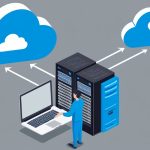
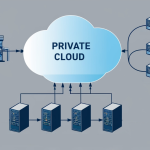
Case Study: Strategic Framework For Enterprise Private Cloud Architecture And Implementation - Featured Image

Case Study: Strategic Framework for Enterprise Private Cloud Architecture and Implementation

This framework can help build a private cloud infrastructure to enhance your enterprise's IT agility, security, and operational efficiency.

Loading...