A Introduction to Service Oriented Architecture
  This introduction to service oriented architecture has been written for managers and provides the value proposition for SOA and strategy for its adoption.

  This introduction to service oriented architecture has been written for managers and provides the value proposition for SOA and strategy for its adoption.
This insightful sample illustrates a successful Enterprise Architecture strategy in action. Learn how to align IT with strategic objectives, eliminate redundancy, manage risk, and drive innovation for your organization. Become a transformational IT leader with the lessons from this comprehensive guide.
This paper discusses the pivotal role enterprise architecture plays in business analysis.

Dive into this comprehensive case study about a leading public organization that optimized its tech investments and delivered value with Enterprise Architecture. Explore the challenges, strategies, and successes that can guide CIOs and IT leaders in their IT journey. (75+ pgs)
Dive into the Methodology For Business Transformation (MBT) – a structured enterprise architecture process designed to align IT initiatives with business goals, ensuring optimal resource allocation, stakeholder buy-in, and continuous improvement.
From enhancing efficiency to driving continuous improvement, see how CIOs can utilize Business Process Management (BPM) to align IT with business objectives and solve real-world problems.
The paper provides the rationale and concept for integration of models and modeling objects of Enterprise Architecture and IT Strategies. The cohesion between and within Business and IT is achieved by means of services. Among other applications this concept justifies inclusion of Enterprise Architecture as perspective in Balanced Scorecards used
This presentation provides an in-depth introduction to the Department of Defense Architecture Framework (DoDAF).
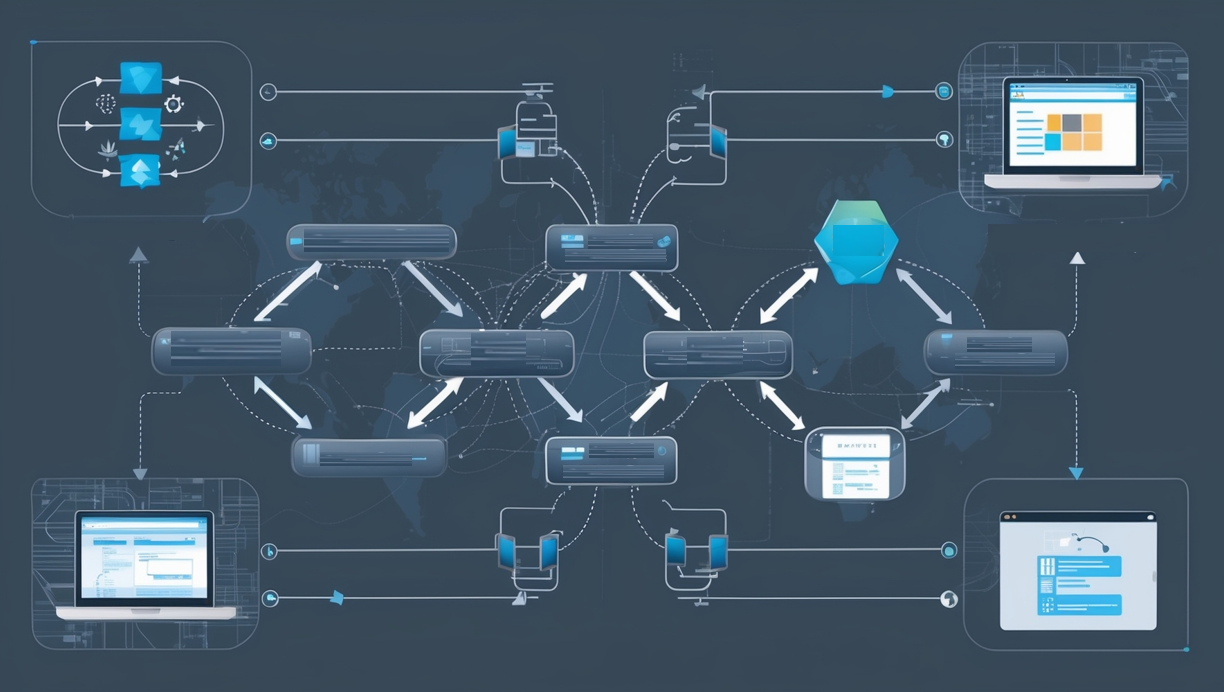
This business process management (BPM) guide delves into how it integrates with semantic technologies to optimize workflows, improve collaboration, and enable efficient execution of collaborative business processes. It covers essential concepts like semantic web services, process design, implementation strategies, and practical use cases for organizations aiming to enhance their operations.
This in-depth study illustrates how CIOs can utilize Service-Oriented Architecture (SOA), Enterprise Service Bus (ESB), and Business Process Management (BPM) to overcome integration challenges, streamline business processes, and drive organizational success.