Cloud Computing Security, Trust, and Reliability
This presentation defines and describes cloud computing from an information security perspective.

This presentation defines and describes cloud computing from an information security perspective.
This white paper discusses the business drivers motivating IT buyers to consider cloud computing as an alternative to traditional dedicated IT architectures and in-house sourcing models.
"In challenging economic times, cloud computing not only provides a sustainable path toward improved IT agility but also delivers immediate cost benefits." How?

This case study delves into how Aviva Health, in collaboration with IBM, transformed its IT environment to support significant business growth. By automating and integrating processes, they achieved reduced costs, improved efficiency, and enhanced customer and partner experiences.
This whitepaper discusses the IBM System Storage SAN Volume Controller (SVC) – a storage virtualization system
This in-depth presentation provides a step by step guide to implementing an information technology risk management program
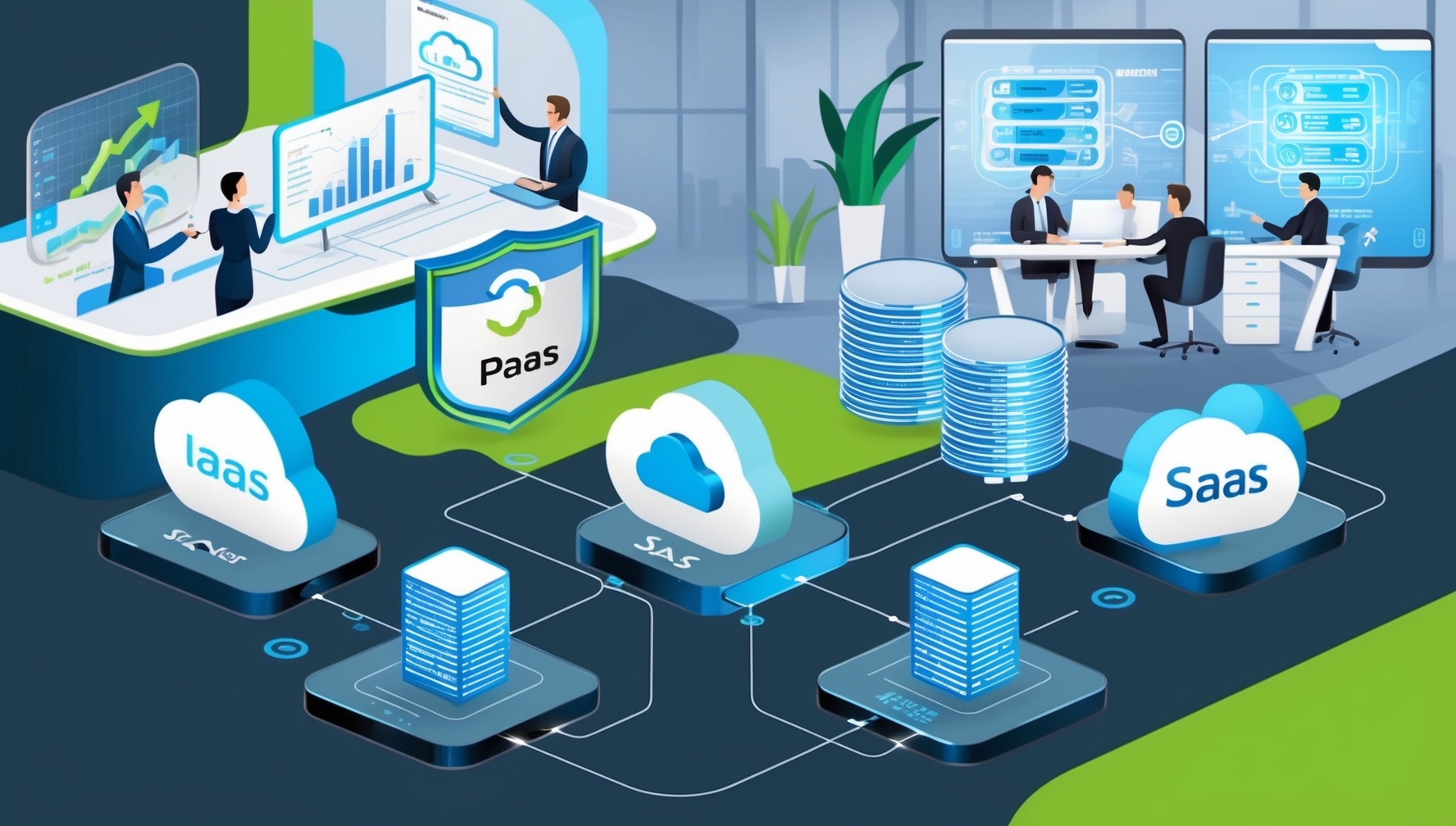
These are essential concepts and components of cloud computing, including Infrastructure as a Service (IaaS) and Software as a Service (SaaS). They explain how cloud computing offers significant cost savings and scalability while addressing critical concerns like data security and vendor lock-in. CIOs and IT leaders will find valuable insights into the strategic benefits and potential risks, equipping them to evaluate and implement cloud solutions effectively.
This document offers a comprehensive audit of an Application Performance Management solution, highlighting its ability to manage and enhance application performance in diverse IT environments.
 Download this white paper to learn how Compuware provides an innovative approach to the application performance and availability challenges inherent in cloud computing.
Explore the intricacies of Application Performance Management with this comprehensive guide. From technical insights to user-centric strategies, discover how to optimize app performance and drive business success.