Agile Development Methodology Collection – Page 3

All Resources in: Agile Development Methodology Collection

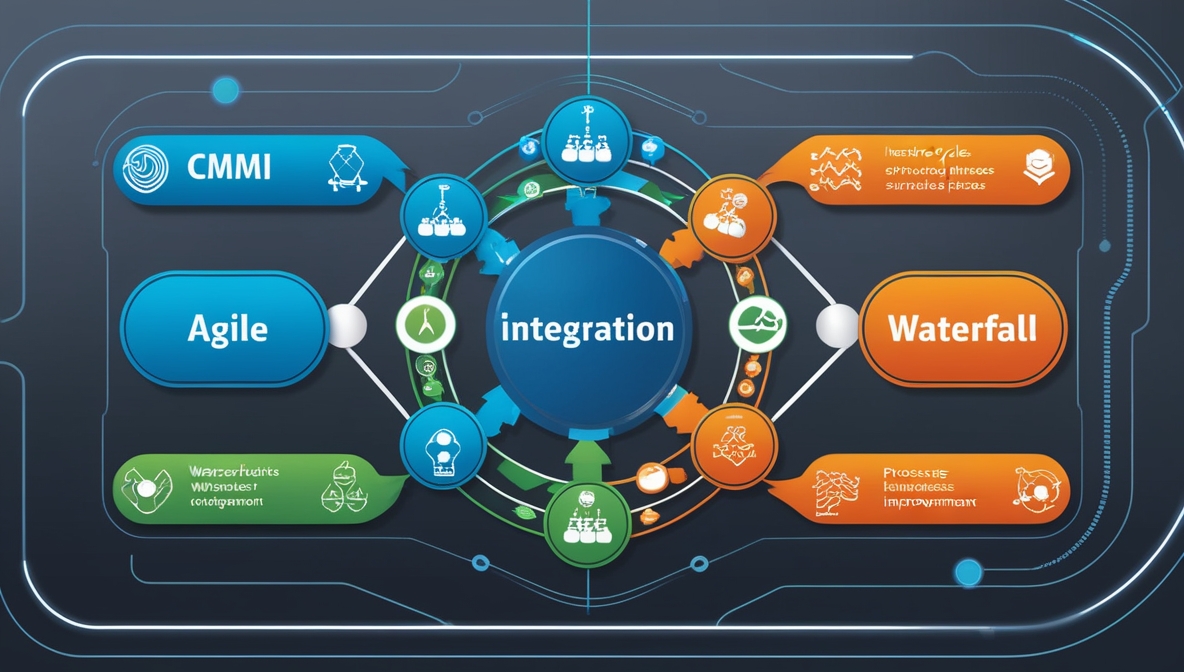
Comprehensive Guide to Agile Methodology for Business Value Creation Featured Image

Comprehensive Guide to Agile Methodology for Business Value Creation

This guide explores the application of Agile methodology to drive business value creation. It covers fundamental concepts, process prioritization, and practical examples to help organizations integrate Agile principles into their operations. Ideal for CIOs looking to enhance efficiency and adaptability.
Agile BI DBMS technologies Featured Image

The Rise of Agile BI Databases: Enhancing Business Intelligence Flexibility and Performance

This analysis explores the benefits and use cases of Agile BI DBMS technologies, providing strategic insights for CIOs to enhance their organization’s business intelligence capabilities. It covers the limitations of traditional relational databases and offers practical recommendations for implementing specialized BI DBMS solutions to improve flexibility and performance.

Case Study of Agile Programming Techniques for Enterprise Information Systems Featured Image

Case Study of Agile Programming Techniques for Enterprise Information Systems

This case study delves into the application of agile programming techniques, particularly extreme programming (XP), for developing an Enterprise Information System (EIS). The study highlights the development process, design goals, and the use of rapid application development tools. Key aspects include real-time resource monitoring, ISO 9001 compliance, and enhanced user collaboration, providing valuable insights for CIOs and IT leaders.

Agile Enterprise Architecture Framework for Business IT Alignment Featured Image

An Agile Enterprise Architecture Framework for Business IT Alignment

This agile enterprise architecture framework is aimed at achieving Business IT Alignment. It details the structure, methodologies, and practical examples that guide CIOs in creating flexible and efficient IT architectures. These architectures support evolving business needs and ensure organizational agility in response to dynamic market conditions.

CIO Portal