The IT Complexity Crisis: Danger and Opportunity
 This paper argues that reducing IT complexity can reduce IT failure and save trillions of dollars worldwide.

 This paper argues that reducing IT complexity can reduce IT failure and save trillions of dollars worldwide.
The Oracle Enterprise Architecture Framework emphasizes a business results driven practical approach to enterprise architecture.

Explore how a leading educational institution leveraged Enterprise Architecture and the TOGAF framework to align IT with business goals, manage IT complexity, and drive tangible business value. Dive into this comprehensive case study to uncover valuable insights and practical takeaways for your own EA journey.
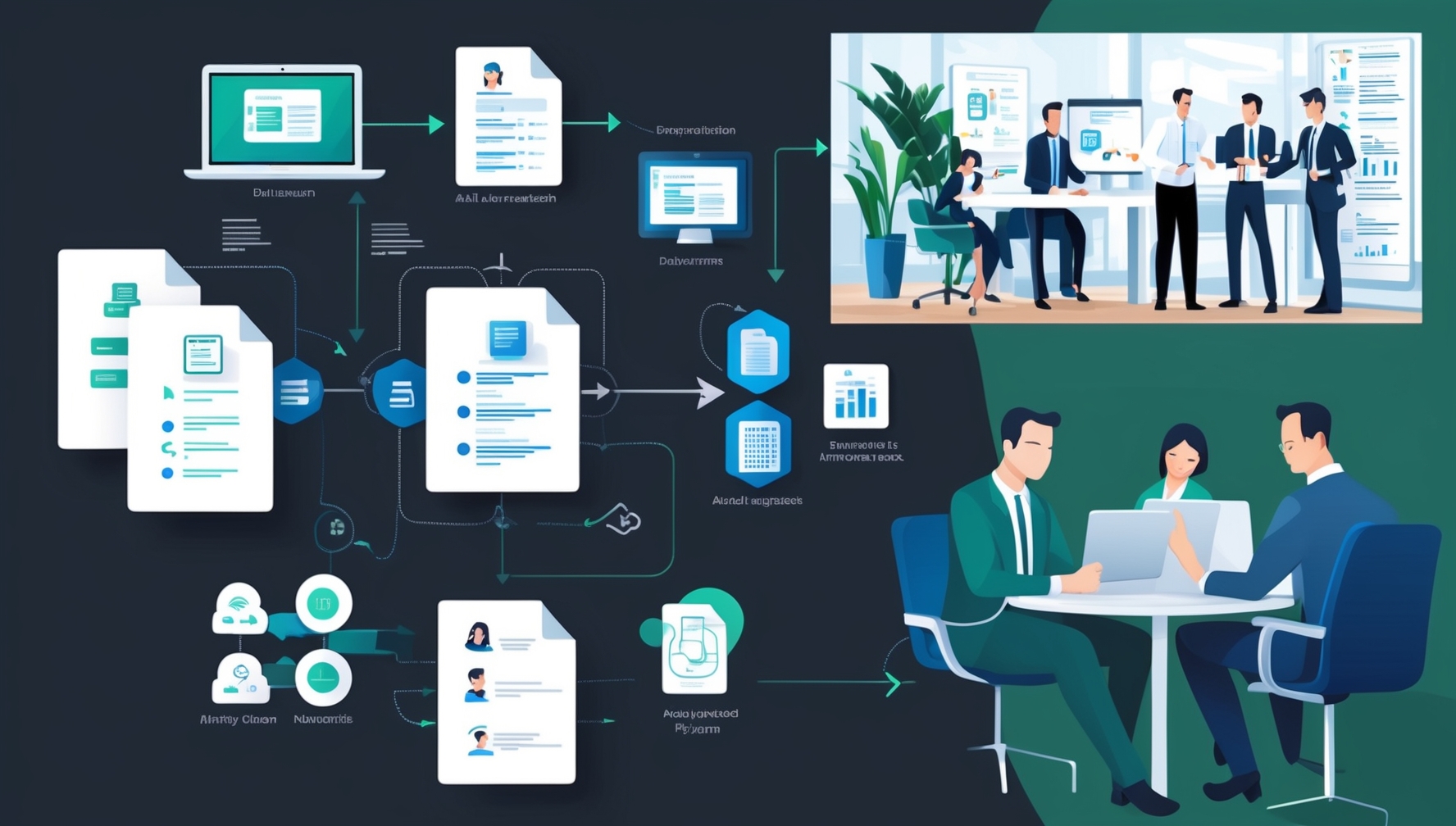
This guide explains what Business Process Management (BPM) and Workflow are, their major applications, enabling technologies, and why they are pivotal in driving efficiency within the organization. Use it to derive maximum value for your organization.
This paper delves into the complexities of BPM schema integration and how its principles can be practically applied by CIOs to address real-world IT challenges. From interoperability to continuous improvement, discover how these insights are shaping modern IT leadership. It provides an overview of the key organizations, standards developed by them and proposes a framework to integrate these disparate standards.
From its origins in workflow systems to its current applications in improving business efficiency, this document unveils the intricacies of Business Process Management (BPM). Discover how to select, implement, and avoid common pitfalls in BPM for modern IT environments.
From understanding the intricate relationship between technology and people to driving efficiency through automation, this document explores how CIOs and IT Leaders can apply the principles of Business Process Management (BPM) to solve real-world challenges and achieve organizational success.

An excellent case study on Disney’s Enterprise Architecture highlighting the importance of strategic planning, architectural roles, and effective technology implementation.
 This paper makes the business case for enterprise architecture.
 This paper discusses Enterprise Business Architecture as the "formal link between strategy and results."