Ovum Technology Audit: Compuware Vantage and Gomez APM
This document offers a comprehensive audit of an Application Performance Management solution, highlighting its ability to manage and enhance application performance in diverse IT environments.

This document offers a comprehensive audit of an Application Performance Management solution, highlighting its ability to manage and enhance application performance in diverse IT environments.
This whitepaper discusses the benefits of virtualization – creating a business case for virtualization and knowing the value points can make all the difference!
This guide provides a definition of virtualization, key categories of virtualization and discusses key technologies to enable virtualization in the enterprise.
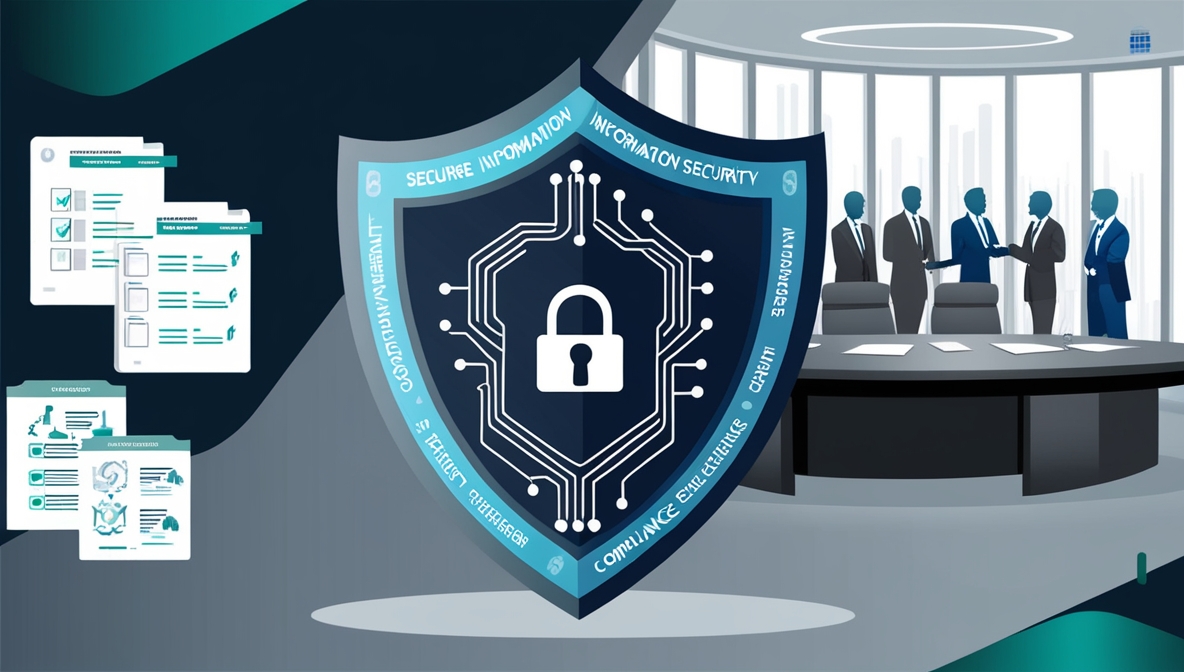
This overview explores the critical aspects of Information Security Governance, offering insights on aligning security with business strategy, managing risks, and ensuring compliance. CIOs and IT leaders will find valuable guidance on integrating security into their overall governance framework.
This presentation discusses the business need for information security governance. Why Information Security Governance? The following topics are discussed: What is information security governance? Why is information security governance important? What are the key business drivers for information security governance? An example of information security governance at work A discussion
Introducing a comprehensive Information Security Governance Assessment Tool, designed for CIOs to gain a high-level view of key security vulnerabilities. Based on the recommended ISG framework, this tool aids in aligning IT security with business objectives, ensuring a robust and compliant security posture.
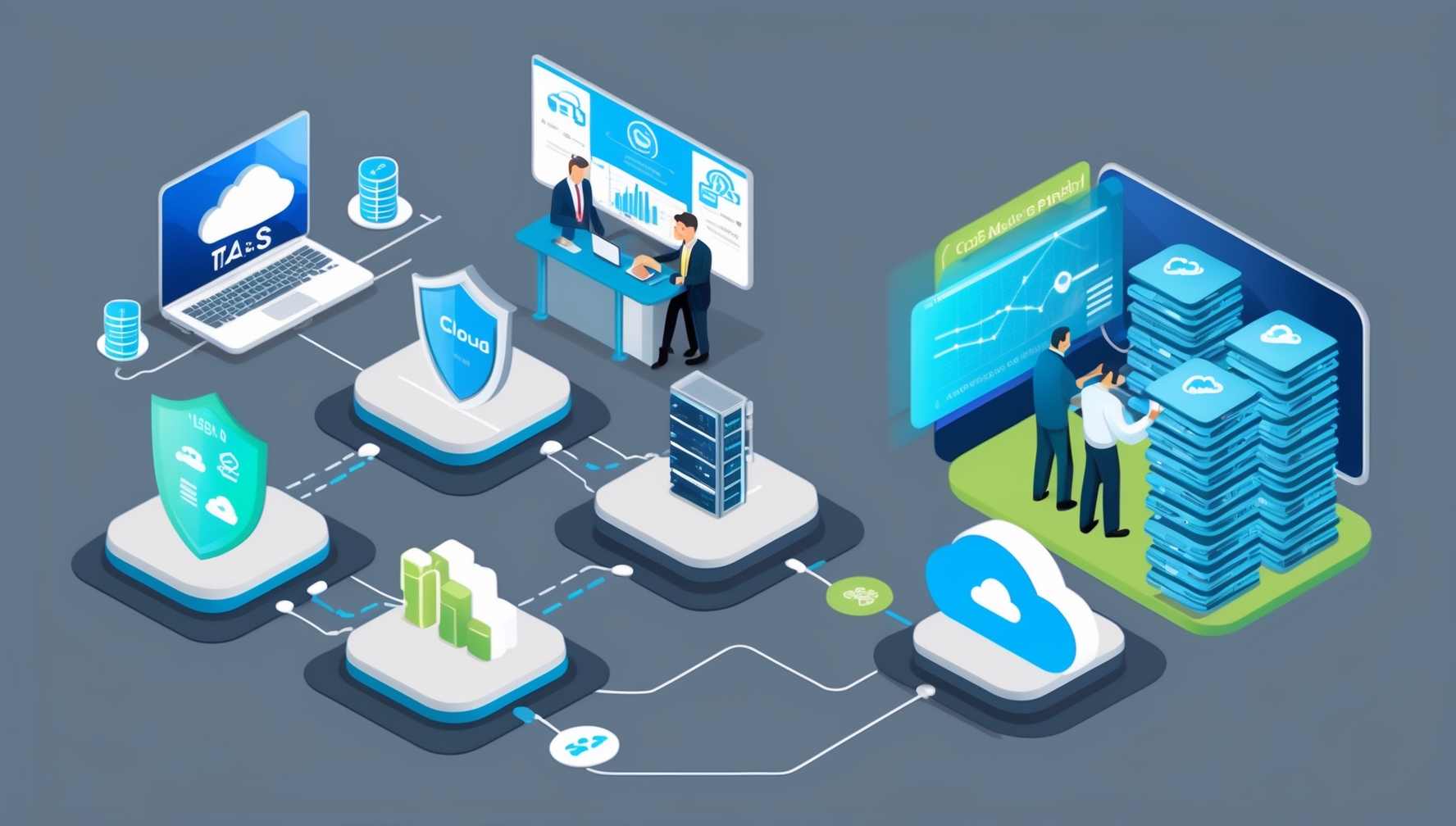
This presentation provides an under the covers view of cloud computing using key software as a service applications.
Explore the benefits, cost comparisons, and application strategies in cloud computing.
This presentation discusses the three key legal issues related to cloud computing namely, privacy, digital evidence and e-Discovery. This is a good starting point for this discussion but a lot more needs to be said and understood!